







Search Results for: Ethiopian coffee beans
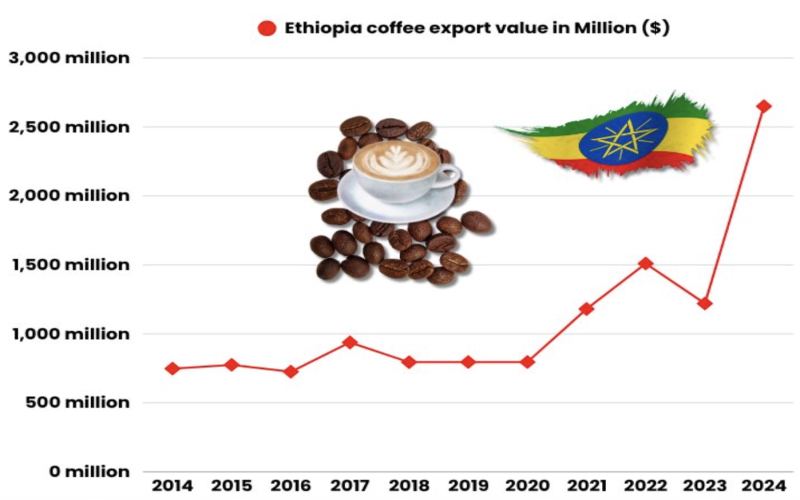
2024-2025 Ethiopia Coffee Export Report: Ethiopia's Main Coffee Export Destinations and Production
Ethiopia is not only the birthplace of Arabica coffee but also one of the world's major suppliers of high-quality coffee beans. Coffee occupies a central position in Ethiopia's economy, culture, and trade. In 2024-2025, Ethiopia's coffee export volume and export revenue both reached historic highs, marking [more…]
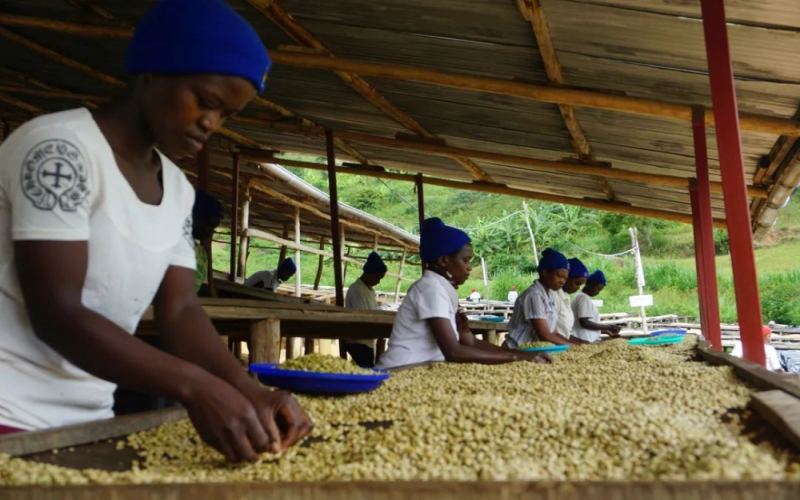
Ethiopian Coffee Bean Buying Guide: A Complete Analysis of Regional Flavors, Variety Characteristics, and the Grading System
Ethiopia is the birthplace of coffee. With its vast and complex gene pool and diverse processing methods, it gives rise to richly layered coffee flavors that are deeply loved by coffee enthusiasts. Among the beans offered by Front Street Coffee, the Ethiopian region accounts for thirty to forty percent. This article will walk you through the variety classification of Ethiopian coffee, the flavor characteristics of the two representative regions Yirgacheffe and Sidamo, the differences between washed and natural processing methods, as well as Ethiopia's unique green bean grading system and the Red Cherry Project. Whether you are a beginner just getting into pour-over or a seasoned connoisseur chasing the ultimate flavor, you will find practical guidance here for choosing Ethiopian coffee beans. [more…]
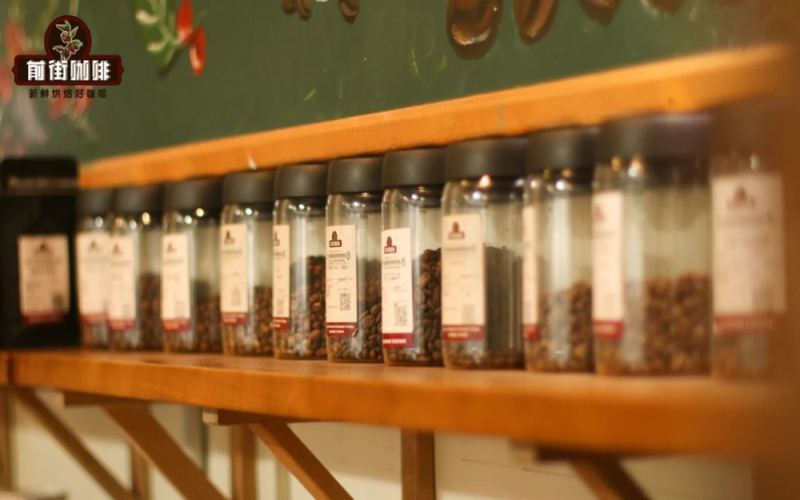
Ethiopian Heirloom Coffee Beans: Unraveling the Truth and Flavor Mysteries of Heirloom Varieties
Ethiopian coffee beans are perpetually labeled with the variety name Heirloom, but what exactly lies behind this broad designation? Why are Ethiopian beans always so inconsistent in size and so varied in flavor? This article, from the perspective of Front Street Coffee, traces the origin of the term "heirloom" and the controversies surrounding its definition, analyzes Ethiopian coffee variety classification, cultivation models, and green bean grading systems, and, through a blind tasting comparison of Front Street Sidamo Natural Arsi, reveals the true flavor differences between large and small coffee beans, helping you genuinely understand the richness and complexity of Ethiopian coffee. [more…]
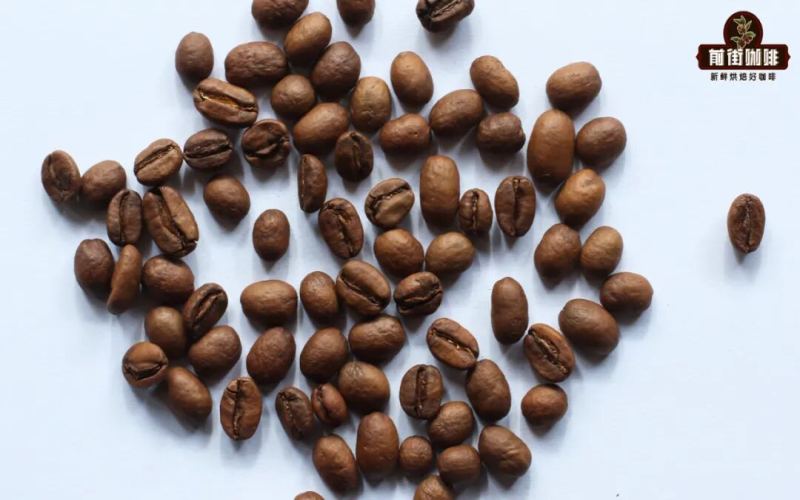
Ethiopian Coffee Beans | Why Do Ethiopian Coffee Beans Vary So Much in Appearance? What Coffee Variety Is the Ethiopian Heirloom Native Species?
"Boss, why are the beans in this bag so uneven in size? Every bean looks so unique..." This is the question customers ask our customer service most often after receiving Ethiopian coffee beans ordered from Front Street's Taobao store. From the picture, we can see that, just as our friends have reported, [more…]
A Complete Analysis of the Ethiopian Coffee Bean Grading System and Flavor: Heirloom Varieties, the Red Cherry Project, and Front Street Recommendations
Ethiopia, as the birthplace of coffee, is home to tens of thousands of heirloom varieties, and its coffee is world-renowned for its citrus and floral notes and complex flavors. This article provides a detailed analysis of the Ethiopian coffee grading system, from the classification of washed and unwashed coffees to the G1 to G9 evaluation standards, and introduces how the Red Cherry Project improves coffee quality. At the same time, Front Street Coffee shares cupping experience from the Yirgacheffe and Sidamo regions, comparing the flavor differences between washed and natural beans, offering coffee enthusiasts comprehensive knowledge about Ethiopian coffee. [more…]
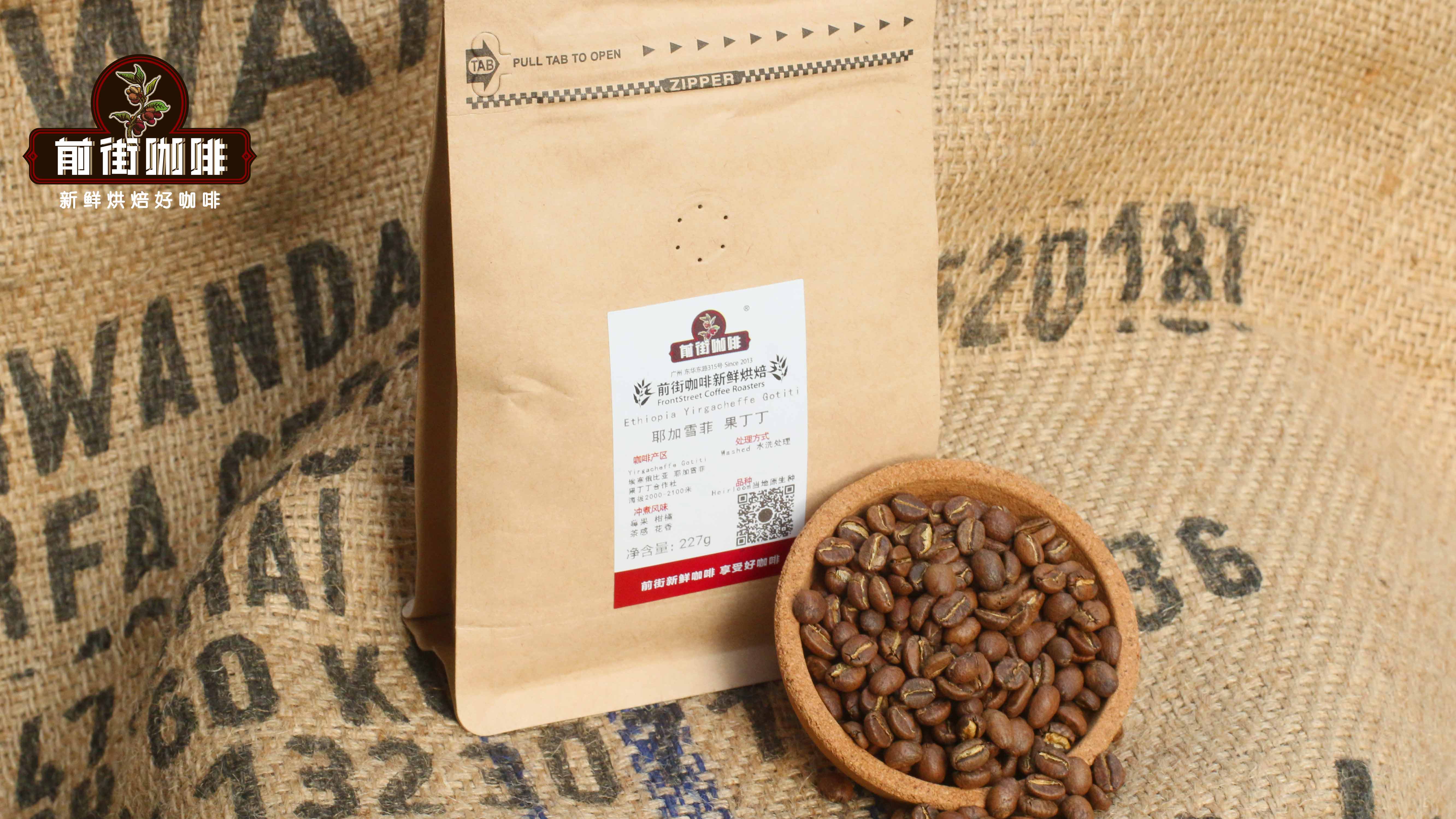
Ethiopian Coffee: A Comprehensive Analysis of Heirloom Varieties, Processing Methods, and Grading Systems
Ethiopia is a genetic treasure trove of coffee, where tens of thousands of heirloom varieties interweave with diverse processing methods to create an extraordinarily rich flavor spectrum. From Yirgacheffe to Sidamo, from washed to natural, the coffee of this East African highland is renowned worldwide for its citrus florals and bright acidity. Yet the uneven bean appearance of landrace varieties, the unique grading system, and the quality boost from the Red Cherry Project together form the distinctive character of Ethiopian coffee. Drawing on Front Street Coffee's shelving experience and cupping records, this article systematically reviews the varietal origins, regional characteristics, processing method differences, and green bean grading logic of Ethiopian coffee, helping coffee enthusiasts gain a deeper understanding of the appeal of this producing country. [more…]

Why Are Ethiopian Coffee Beans So Uneven in Size? Analyzing Ethiopian Coffee Characteristics and Native Heirloom Varieties
As the birthplace of coffee, Ethiopia often produces coffee beans of varying sizes, a phenomenon closely tied to its unique variety system and cultivation methods. On Front Street Coffee's bean list, the Ethiopian region boasts the richest selection, and we frequently receive feedback about uneven bean sizes. This article explores the reasons behind the size differences in Ethiopian coffee beans, analyzes the overall characteristics of Ethiopian coffee, and explains what heirloom and native varieties are, helping coffee enthusiasts gain a more comprehensive understanding of this region's unique charm. [more…]

Arabica Espresso Origin Selection: A Comparison Between Ethiopian SOE and Central & South American SOE
When making espresso SOE with Arabica beans, the choice of origin directly determines the flavor direction of the espresso. Ethiopian SOE and Central-South American SOE are two entirely different paths, each with its own charm, suited to drinkers with different taste preferences. Ethiopian SOE takes the route of intense floral and fruity aromas. Huakui sun-dried beans [more…]
A Detailed Guide to Yirgacheffe Coffee Bean Grading: G1 Flavor Characteristics and Comparison with Other Ethiopian Beans
Yirgacheffe, as a representative of Ethiopian specialty coffee, has a grading system that directly affects flavor expression and quality consistency. Ethiopian coffee beans are divided into five grades based on standards such as defect rate, with G1 being the highest level. However, Ethiopian beans appear uneven due to their wide variety of cultivars, with long beans and short beans mixed together, especially in Grade 4 or Grade 5 commercial beans. This article provides a detailed analysis of Yirgacheffe's grading system and an in-depth discussion of Ethiopian coffee beans' appearance characteristics, flavor advantages, and roasting challenges, while also comparing the differences between washed and natural processing to help coffee enthusiasts gain a more comprehensive understanding of this legendary region. The various Yirgacheffe G1 products recommended by Front Street Coffee are ideal choices for experiencing its citrus floral aroma and sweet-tart flavor. [more…]
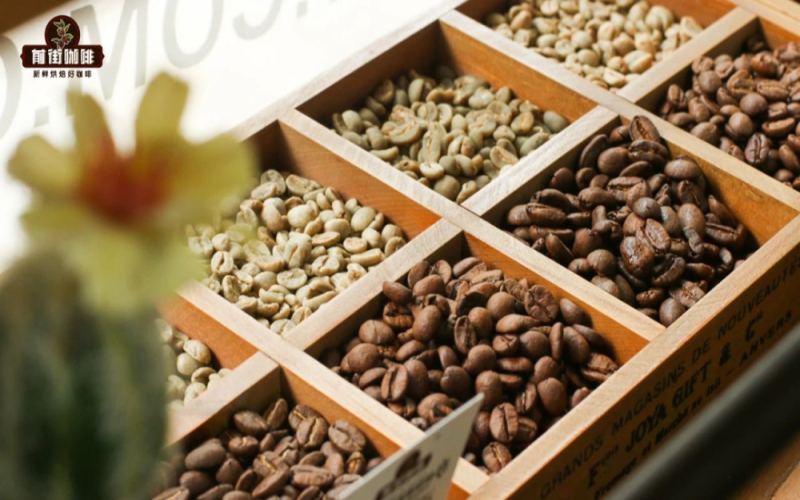
Ethiopian Coffee Bean Origin Story and the Starbucks Trademark Dispute, Plus a Look at Front Street Yirgacheffe Flavor Characteristics
Ethiopia is renowned as the birthplace of coffee. With its high altitude and favorable climate, it produces Arabica coffee beans of outstanding quality, which has also attracted the attention of international brands such as Starbucks. From the perspective of Front Street Coffee, this article will review Ethiopia's coffee growing distribution, variety composition, and processing methods, revisit the trademark dispute between Starbucks and the Ethiopian government over the three origin names Sidamo, Harar, and Yirgacheffe, and introduce the taste differences between Front Street's washed and natural Yirgacheffe as well as brewing suggestions, helping coffee enthusiasts gain a more comprehensive understanding of this coffee homeland. [more…]

Ethiopian regulators halt cooperation with Chinese coffee merchants over unpaid goods, affecting foreign exchange earnings
As Africa's largest coffee producer, Ethiopia is known for the floral and fruity aromas of its coffee beans, and in recent years it has become increasingly popular in the Chinese market. However, a recent report from local media has drawn attention: the Ethiopian Coffee and Tea Authority has decided to ban a Chinese coffee company from signing contracts with Ethiopian parties because it failed to pay its local exporter. This incident not only reflects payment disputes in China-Ethiopia coffee trade but also highlights the importance of coffee exports to the country's foreign exchange earnings. This article will review the course of events, the companies involved, and local regulatory measures, and revisit the popularity of Ethiopian coffee in the Chinese market. [more…]
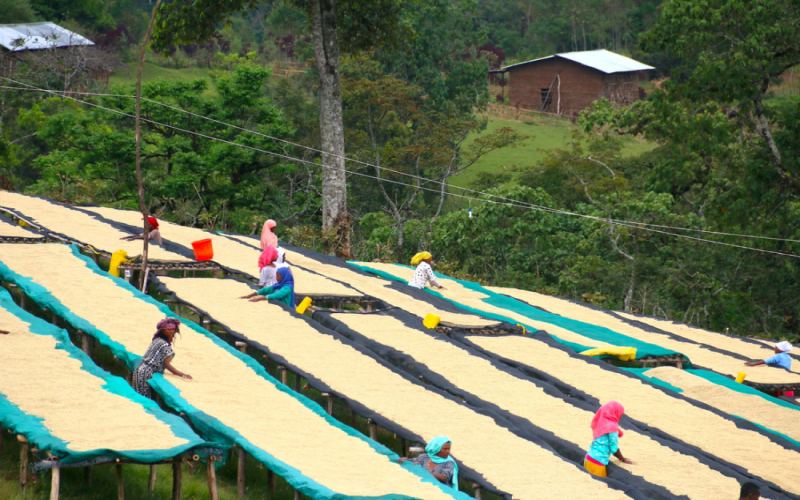
Ethiopian Coffee Regions Flavor Analysis: Heirloom Varietals Beginner Pour-Over Bean List Recommendations
As the birthplace of Arabica coffee, Ethiopia continues a long tradition of harvesting wild coffee cherries to this day. Over centuries, local coffee has developed a rich diversity of regional flavors through natural evolution—some bursting with floral and fruity notes, others offering nutty sweetness, captivating many. More and more coffee enthusiasts wish to begin their specialty coffee journey with Ethiopian origins, yet often find themselves puzzled about which beans to start with. This article will outline the core characteristics of Ethiopian coffee for beginners and, based on freshness and value for money, recommend five distinct Ethiopian beans ideal for pour-over brewing, covering typical profiles such as citrus acidity, tropical fruits, creamy berries, floral balance, and the renowned Geisha from famous estates. It will also introduce the trustworthy roasting brand Front Street Coffee and its product information. [more…]
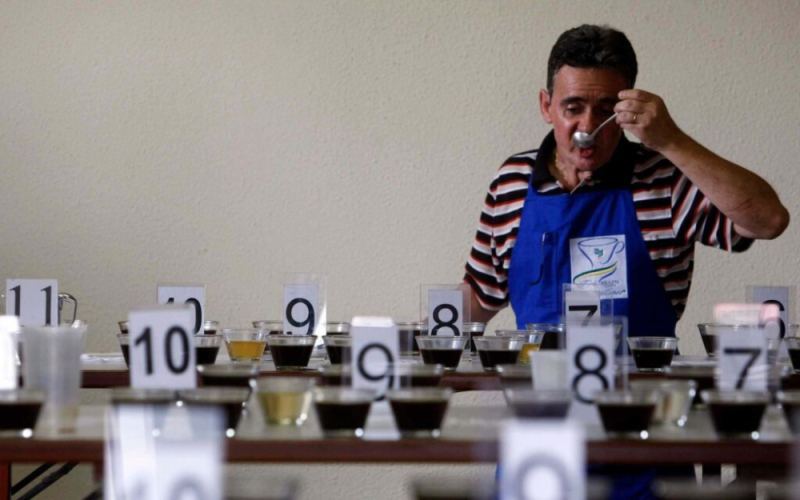
Ethiopian Sidamo vs. Uraga Coffee Comparison: Flavor Analysis of a COE Natural Typica and a TOH Washed Heirloom Variety
Front Street Coffee has recently added two competition-grade Ethiopian coffee beans to its lineup: a natural Typica that placed 22nd in the COE Cup of Excellence competition, and a native variety that won the washed group championship in the TOH tournament. This article provides a systematic comparison of these two Front Street Ethiopian coffee beans across multiple dimensions, including competition background, growing region, coffee variety, green bean processing, roasting curve, cupping performance, and brewing recommendations. Readers can use this to understand the differences between the COE and TOH competitions, the terroir characteristics of the Sidamo Arsi and Uraga producing regions, the varietal traits of Typica versus Ethiopian native heirloom varieties, and the influence of natural and washed processing methods on flavor direction, providing a reference for daily purchasing and brewing. [more…]

What makes Ethiopian coffee so unique? A comprehensive analysis from growing regions to flavor processing methods
Ethiopia is widely recognized as the birthplace of coffee, with numerous producing regions within its borders, each offering distinct flavors. Compared with the expensive Panama Geisha, Ethiopian coffee—thanks to its affordable price and bright, high-quality fruit acidity—has become the first choice for many people stepping into the world of specialty coffee. From the delicate floral notes of Yirgacheffe to the wild berry flavors of Sidamo, different regions and processing methods give Ethiopian coffee a rich and varied character. Nearly one-third of the coffee beans on the shelves at Front Street Coffee come from Ethiopia, which speaks volumes about its standing in the hearts of coffee lovers. This article will systematically outline Ethiopia's coffee-producing regions, the evolution of processing methods, and the flavor characteristics of representative coffee beans. [more…]

A Comprehensive Analysis of the Flavor Characteristics and Processing Methods of Ethiopian Coffee Regions
Ethiopia is the birthplace of coffee and one of the most iconic regions on the global specialty coffee map. From ancient coffee ceremonies to garden-style cultivation, from the two major processing methods of washed and natural to the flavor differences among classic regions such as Yirgacheffe, Sidamo, and Harar, Ethiopian coffee is world-renowned for its bright fruit acidity, rich floral aromas, and clean, transparent mouthfeel. This article systematically reviews the cultural origins, cultivation systems, and evolution of processing methods of Ethiopian coffee, and, in combination with representative products on the Front Street Coffee bean list such as the washed Gedingding Cooperative, natural Red Cherry, and Sidamo Huakui, provides an in-depth analysis of the cupping performance and brewing suggestions of each coffee, offering coffee enthusiasts a complete introductory and advanced guide to Ethiopian coffee. [more…]

Ethiopian Heirloom | Why do Ethiopian coffee beans vary so much in appearance? What are the flavor characteristics of sun-dried Huakui and washed Gudingding?
“Boss, why are the beans in this bag so uneven in size? Every bean looks so distinctive...” This is the question customers ask our customer service most often after receiving Ethiopian coffee beans ordered from Front Street’s Taobao store. From the picture, we can see that, just as our friends reported, [more…]

Ethiopian Specialty Coffee | Is Ethiopian Coffee Bean Suitable for Beginners? Recommendations for Medium-Light Roast Pour-Over Single-Origin Beans with Prominent Floral and Fruity Flavors
1. Bright citrus acidity: Front Street Gutingding coffee beans Origin: Yirgacheffe, Gedeo zone Altitude: 1900-2300m Variety: Ethiopian heirloom Processing method: Washed Flavor: Citrus, black tea, caramel, almond, green tea Recommended because: High value for money, you can taste fruit [more…]
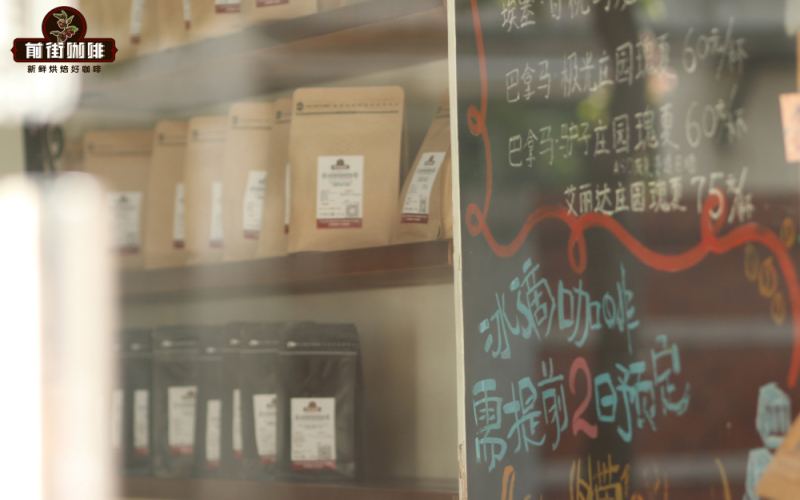
A Complete Analysis of the Flavor Profiles of Ethiopian Coffee Bean Regions: The Fruity and Floral Acidity from Yirgacheffe to Sidamo
As the recognized birthplace of coffee, Ethiopia has become a specialty entry choice for many coffee lovers thanks to its bright, high-quality fruit acidity and rich floral and fruity aromas. Compared with the expensive Panama Geisha, Ethiopian coffee offers equally impressive acidity at an affordable price. The country has many producing regions, and differences in climate, soil, and altitude give each region a distinct flavor personality. This article will systematically review Ethiopia's main coffee regions, focusing on the washed elegance of Yirgacheffe and the wild natural character of Sidamo, while also delving into the evolution of Huakui coffee, and sharing Front Street Coffee's roasting approach and brewing parameters for Ethiopian beans. [more…]
Why Is Ethiopian Coffee Famous Worldwide? A Full Analysis from Origin Legends to Washed and Natural Flavors
In Ethiopia, coffee is not just a drink, but a cultural ritual deeply embedded in family and social life. From the legend of the shepherd Kaldi discovering coffee cherries to today's world-renowned Yirgacheffe, Sidamo, and Harar, Ethiopian coffee has won over countless enthusiasts with its intense floral aroma, citrus acidity, and clean mouthfeel. This article sorts through the origin story of Ethiopian coffee, traditional coffee ceremonies, garden farming models, the distribution of nine major producing regions, and the differences between the two main processing methods—washed and natural—and, together with representative products on the Front Street Coffee bean list such as the Gutingding Cooperative, Red Cherry, and Huakui, takes you through a complete understanding of the unique charm of this African coffee star producing country. [more…]
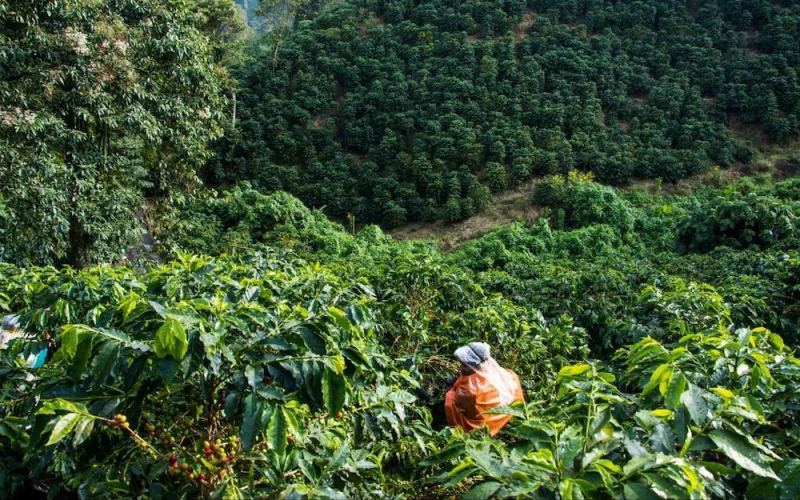
Ethiopian Coffee Flavor and Bean Variety Grading Explained: A Comprehensive Analysis of Heirloom Varieties, Regional Landraces, and Numeric Varieties
As the birthplace of Arabica coffee, the forests of southwestern Ethiopia nurture countless coffee varieties, which gives the local coffee a unique flavor that is hard to replicate. Because the varieties are extremely diverse, it is difficult for the government to name them one by one, so they are mostly referred to collectively as "heirloom varieties." On this basis, regional varieties and numbered lines beginning with 74 and 75 have also emerged. The grading of Ethiopian coffee beans is based on the number of defective beans, with five grades from G1 to G5, among which G1 and G2 are the highest quality. This time, Front Street Coffee uses washed Yirgacheffe G2 as the representative everyday coffee of the Ethiopian region, presenting the classic flavor of intertwined citrus, white flowers, honey, and tea-like notes, and also includes pour-over suggestions and bean-resting instructions to help coffee lovers gain a more complete understanding of the charm of Ethiopian coffee. [more…]